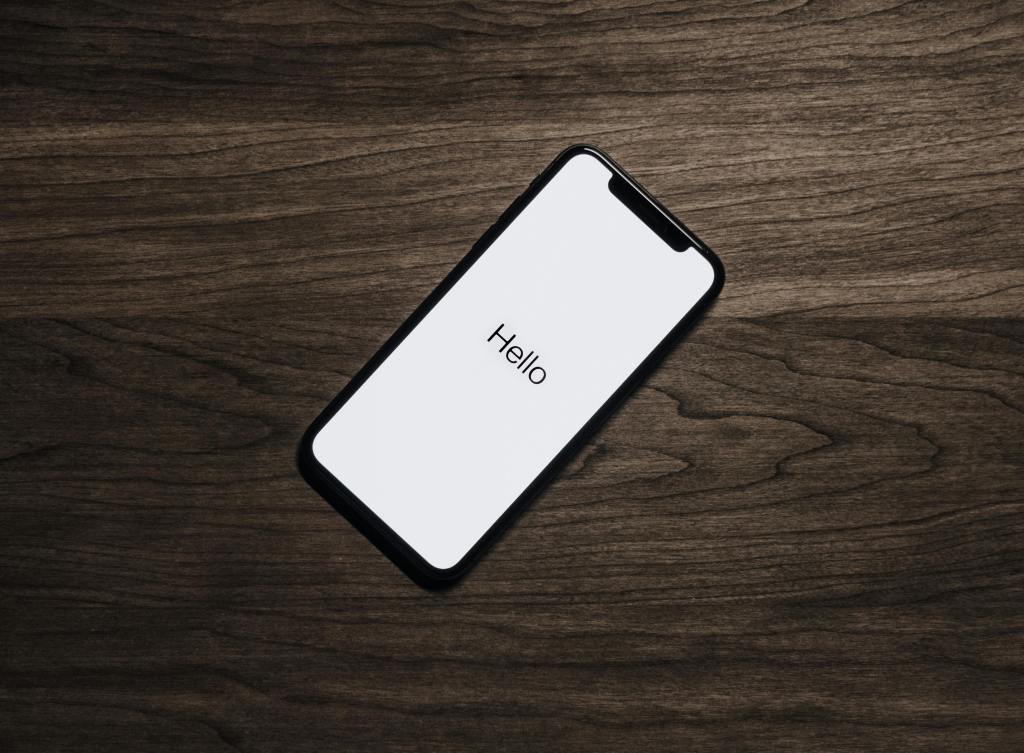
From the time I started writing this post, I have looked at my phone three times, gone to my car and back, and eaten four chips with artichoke dip. While some may call this multitasking, Johann Hari author of Stolen Focus call this the switch cost effect. The switch cost effect is defined as “a moment where your brain has to reconfigure, when it goes from one task to another,” (38). This concept stood out to me because I connect to it and see the way it plays a role in my classroom daily.
As a teacher to eleventh and twelfth grade students, I see the switch cost effect happen in real time. Students will be working in Adobe Photoshop to create their designs and then their phones light up. What they think is just a quick glance breaks the work flow they once had. Sometimes they take a few seconds to process and get back to work, other times they end up completely blanking and staring at their screen. That one quick cost them minutes of valuable class time and productivity. Overtime, this costs them work time and affects the quality of work they produce.
As you can tell from the start of this post, I am no stranger to the switch cost effect, either. While planning lessons or grading, I often switch between tabs or multitask. This now makes my one hour long task become two. When I dedicate my focus to a single task, the difference is clear. I have a better work flow, complete more tasks, and produce higher quality work. If I am able to notice how easily I lose focus, it only makes sense that my students struggle too, especially when it comes to our phones.
Hari mentions “… you should think of your brain as like a nightclub where, standing at the front of that club, there’s a bouncer. The bouncer’s job is to filter out most of the stimuli that are hitting you at any given moment…” (43). Sometimes teaching feels like I’m filtering out phones and distractions with the hopes of keeping my students engaged in the materials and content. Something interesting I’ll get to explore is whether the switch effect is limited only to cell phone usage amongst youth. As NYC schools will be implementing a cell phone ban where students will be required to place their cellphones into a magnetic pouch that will be locked upon entering the school building. The goal is by requiring students to place phones in these pouches, distractions will be reduced, lowering the switch effect. They might be able to stay in their workflows and produce better work. On the other hand, students might struggle more and look for ways to avoid placing their phones in a pouch.
The switch cost effect shows us that focus is delicate. It easy to lose valuable minutes from a quick glance. This goes for everyone, not just teachers and students. Being productive and efficient starts with intentional focus.
 A. Ragnauth: Expanding the Frame
Leave a comment