*** This blog was written, created, and designed without the use of any AI. ***
You know that TikTok trend, “when your car is the outfit” where everyone has on a simple outfit like sweatpants and a tee, but their car ends up being a Porsche? That’s what I thought of after reading Gary Vaynerchuk’s “Content is King, but Context is God” this week. This trend is popular because while everything seems simple and normal including the Tiktoker, the car perfectly aligns to each person’s vibe. This emphasized that while content matters, understanding the where, why, and what behind your content matters more. The context.
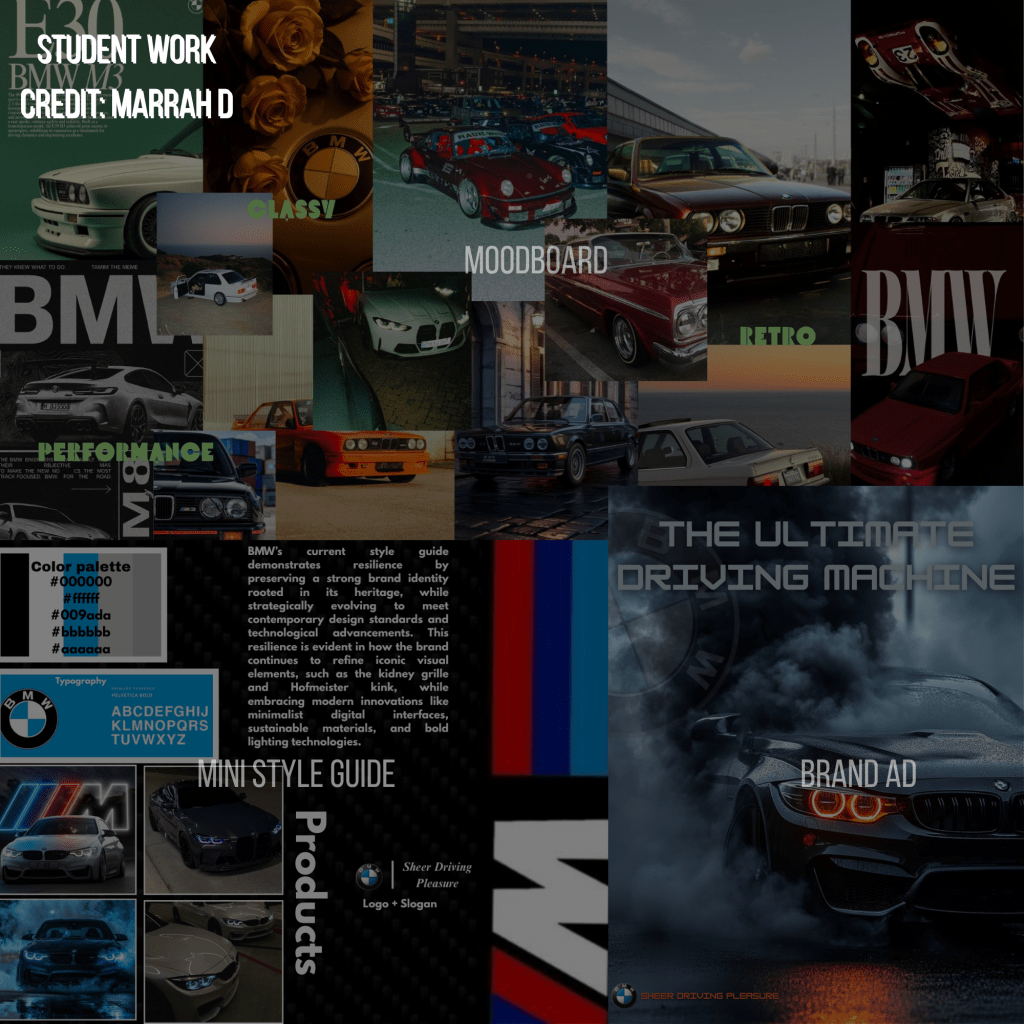
My graphic design students are currently working on our “Brand-Print” case study. Throughout the course of this case study, we focus on unpacking how a brand’s identity has evolved over time and why brands must evolve to stay relevant in today’s world. My little designers start by creating brand moodboards that represent where it all started. The goal is to understand the vision and purpose behind their brand. Then, they create mini brand style guides that portray the brand’s current identity and finally, a brand advertisement that enraptures the overall mission, vision, and driving force behind their brand.
Vaynerchuk’s concept of respecting the platform and audience strengths the foundation of this project. He says ” Respect the psychology of what people are doing when they’re on the platform”. This amplifies the context behind our content. Designs or content is expected to change when switching platforms but your context is expected to stay the same. Brand consistency is a valuable concept that comes from first understanding the purpose driving you and figuring how to ground that in all of your changing content. As we continue our case study, I make it a point to remind my students that brand consistency stems from a strong foundation, and once we have a strong foundation we’re able to adapt and accommodate our content without losing who we are.
As a creative educator myself, I realize that’s also what I do. A big portion of my job is teaching context to students before curating content. It’s the same when I do my own creative work. I start with understanding my purpose and build things that feel true to my understanding. Bottom line, context is our purpose, and content is our connection to context.
 A. Ragnauth: Expanding the Frame
Leave a comment