It’s one thing to capture a face, but what about the stories behind that face? Everyday we walk past hundreds of faces, we scroll past them online, we see so many faces, but how many do we actually see? A 1 second double tap on a photo of someone smiling, then we move on to the next post. There’s so many faces, so many people all around us, yet we don’t know the first thing about them. I for one, don’t even know much about the faces that I consistently see everyday, and yes that includes even my parents.
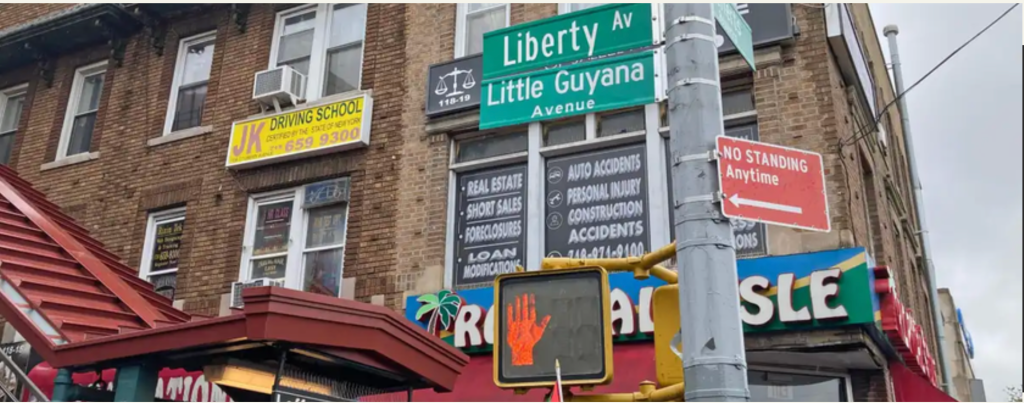
As a Queens born and bred, guyanese photographer, designer, and teacher who grew up in Ozone Park. I’ve spent my life surrounded by those that look like me, talk like me, dress like me, even eat like me and I never once stopped to think about the stories that make up each and every individual around me whom are so similar to me, and even those who are different to me but share similar characteristics or experiences. That’s what Rooted in Culture is all about. An instagram documentary series that showcases the gems in the Indo-Caribbean community through photography and storytelling.
Before taking a single photograph, I realized I needed to do something just as important. Research. Documentary photography isn’t simply about creating beautiful images, it’s about understanding the people standing in front of the camera. I began building a collection of books, articles, blogs, and community resources to better understand Indo-Caribbean history and identity. Pages like Humans of New York showed me how portraits become more meaningful when paired with honest conversations. Community organizations like the South Queens Women’s March and the Caribbean Equality Project reminded me that preserving stories also means preserving culture. These resources have helped shape not only what I want to photograph, but also how I want people to feel when they see the finished work.
The part of this project that excites me most is also the part that makes me the most nervous.Every photograph, caption, and story is a curatorial decision. Choosing which stories to tell and how to tell them comes with a responsibility to represent people honestly and respectfully. I don’t want to reduce an entire community to stereotypes or speak on behalf of experiences that aren’t mine to define.I hope to create a space where people can share their own voices while I use photography to support rather than overshadow those stories.
By the end of this project, I hope viewers see more than a face in each photograph. I hope they see resilience, family, identity, and the everyday moments that make the Indo-Caribbean community in Queens so rich and deserving of documentation.
With that being said, here’s my full project proposal:


Leave a Reply